

In hair accessories, the first touch often says more than the hangtag. Cellulose acetate gives a claw clip the shine, weight, and rounded edge that make ordinary molded plastic feel a little flat beside it.
That is why the material travels well across retail settings. The same acetate piece can sit in a commuter edit, a travel set, a salon styling area, or a gift table, while tortoiseshell, marble, pearlescent, mixed-color, and glossy effects keep the surface interesting up close.
Dowell shows this range clearly across its hair accessories products, from hair claw clip designs and hair ropes to combs, hairpins, and acetate earrings.
Material Texture Is Becoming a Product Strategy
A good acetate hair clip does more than hold hair in place. It gives the shelf a tactile reason to exist, especially when small objects have to carry a larger fashion mood. The best pieces have warmth in the surface, softness at the edge, and color movement that refuses to look stamped out.
Dowell works with acetate sheets and acrylic sheets, and acetate takes the more premium role in the hair accessory range. The board formula is based on cellulose acetate, with diethyl phthalate and small amounts of coloring agents, pigments, moisture, and additives. For buyers, texture matters because it changes how a product line is read at first glance.
From Hair Claw Clip to Hair Tie, Categories Are Expanding
The strongest opportunity around cellulose acetate hair accessories is category breadth. Clips, ties, combs, pins, and jewelry accents can share one material language while keeping their own wearing purpose.
Claw Clips That Carry the Main Story
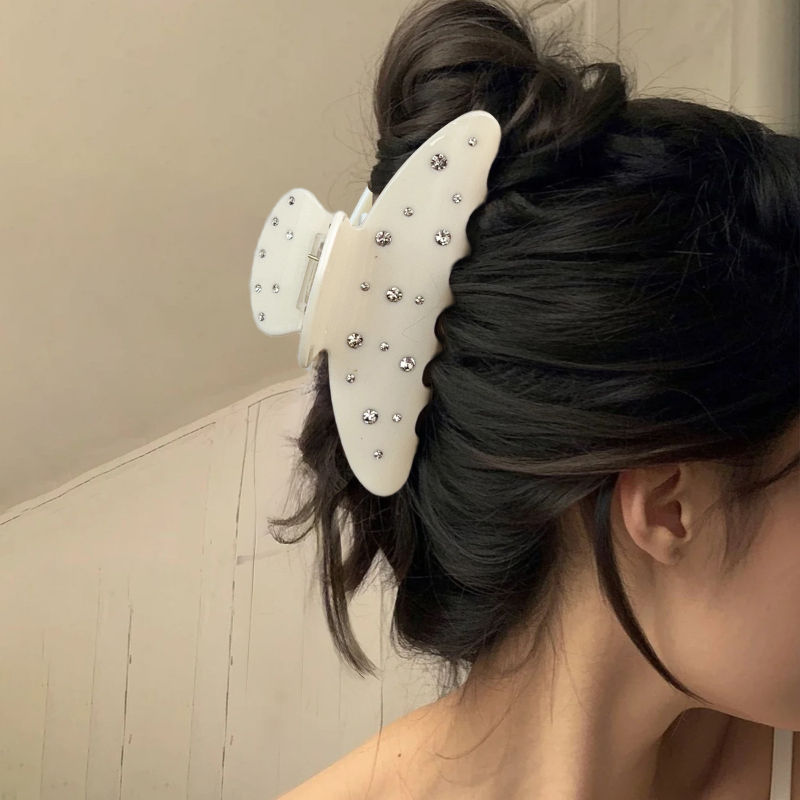
The hair claw clip remains the easiest anchor category because it sits between function and fashion. On a workday it tidies medium-length hair; on a trip it keeps a loose bun off the neck; in a weekend look it becomes part of the outfit. In Dowell’s acetate shark clip range, animal motifs, cloud silhouettes, floral shapes, and macaron colors all speak to different moods.
For a collection planner, the key is to balance novelty and wearability. One group may focus on clean solid colors for office styling, while another may lean into pet-inspired, bow, or flower shapes for gifting and social occasions.
Hair Ties and Scrunchies for Softer Looks
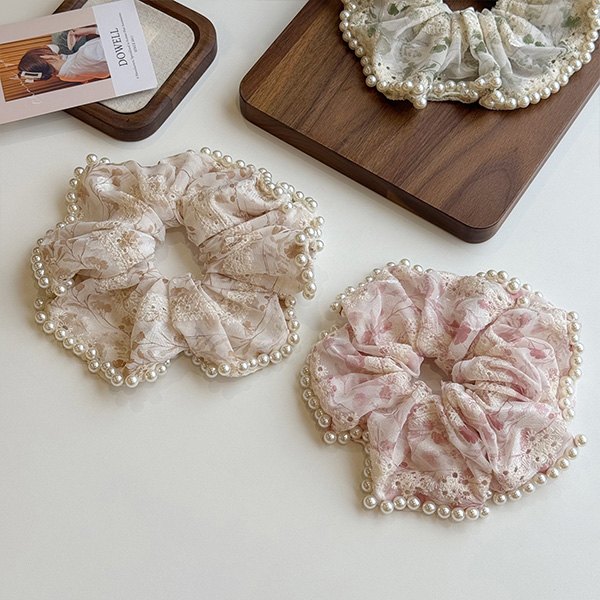
Hair ties and scrunchies soften the story. Dowell’s lace pearl scrunchie uses floral chiffon, lace, pearls, and elastic support, a mix that feels at home with date-night styling, wedding looks, themed photoshoots, and feminine gift sets.
Acetate hair ties bring a different effect. A heart-shaped rhinestone acetate tie or a minimalist acetate band can turn a ponytail into a visible design detail.
Combs, Hairpins, and Earrings as Collection Extensions
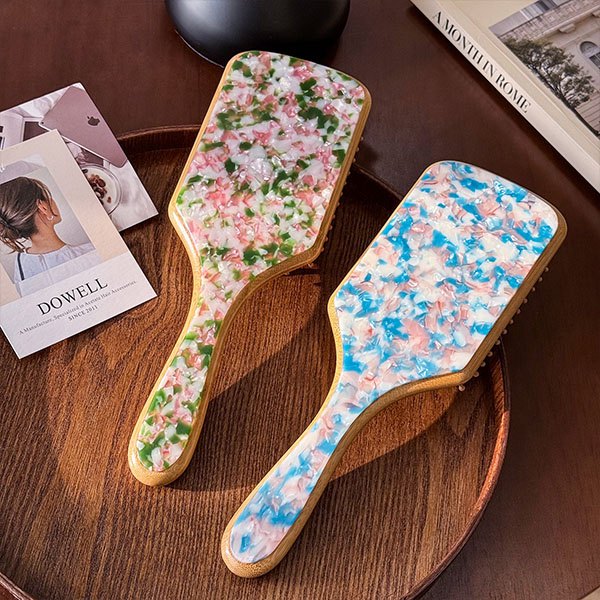
Combs and hairpins make the material story feel more complete. Dowell’s acetate air cushion comb connects hair care with accessory design through rounded teeth, anti-static use, and colorful acetate handles. It speaks to the quiet ritual of morning styling rather than only to fast outfit decoration.
The U-shaped acetate hairpin gives the range a quieter styling route for buns, low updos, and retro-inspired looks. Acetate earrings carry the same surface language into jewelry, so the collection does not have to lean on one product shape.
How Dowell Connects Craft, Material, and Collection Thinking
Dowell focuses on acetate and acrylic accessories, including hair ornaments, earrings, and other jewelry accessories. Its product range is broad enough for teams that want accessories to behave like a collection.
The production work behind these pieces depends on both equipment and hand finishing. Material preparation, precision carving, sorting, shaping, adhesive work, polishing, assembly, and quality inspection sound like backstage details, but they decide whether the final piece feels careful or forgettable.
The custom development service moves from reference images to design confirmation, sample confirmation, production, quality inspection, and shipment.
Dowell’s daily capacity is described as over 30,000 units, enough room for trend-led refreshes as well as stable core categories.
Where Cellulose Acetate Hair Accessories Create Value
Cellulose acetate hair accessories create value when they help a collection feel more durable, more designed, and more wearable. For beauty retailers, they can sit near combs, mirrors, and hair care tools. For fashion stores, they can complete outfits through color and texture.
They also work well in gift environments because the material photographs beautifully and feels substantial without becoming heavy. A pearl scrunchie, an acetate claw clip, and an air cushion comb can tell three different stories while still sharing a soft, feminine design language.
Dowell’s brand story places emphasis on care for women and long-term work with acetate materials, which fits the emotional side of hair accessories. The strongest collections treat these products as small daily objects that protect hair, express taste, and finish a look.
Conclusion
Cellulose acetate hair accessories turn practical hair tools into design-led retail pieces. Rich color, a smoother hand feel, reduced static, and category flexibility give the material a longer life than a quick trend.
Dowell brings material experience, varied categories, and custom development logic into that conversation, giving acetate accessories a stronger place in modern hair styling collections.
Contact us to explore acetate hair accessories for your next retail collection.
FAQ
Q: Why are cellulose acetate hair accessories popular in fashion retail?
A: They hold hair, but they also give the eye something to stay with. Tortoiseshell, marble, pearlescent, and layered color effects bring depth to small pieces. When polished smooth and shaped well, acetate feels comfortable enough for daily clips, ties, combs, and pins.
Q: Are acetate hair clips better than ordinary plastic clips?
A: In many fashion contexts, yes. Acetate hair clips usually bring stronger gloss, richer texture, and more flexibility. Dowell also emphasizes anti-static use and a gentler wearing experience. Ordinary plastic can still handle basic styling, yet acetate feels more suitable when appearance, comfort, and perceived quality carry weight.
Q: What product categories can use acetate material?
A: Acetate works across hair claw clip styles, side clips, hair ties, U-shaped hairpins, combs, and jewelry accessories such as earrings. That breadth gives a collection a connected look instead of a scattered one. Dowell’s range shows how one material language can move between daily styling and occasion-led accessories.
Q: How can brands build a cohesive acetate hair accessory collection?
A: Begin with a color story, then sort products by wearing role: daily clips, statement pieces, soft hair ties, hair care tools, and giftable accents. Tortoiseshell, marble, pearl, and mixed-color acetate can keep the finishes related. Dowell’s category range gives that structure enough room to feel natural.


