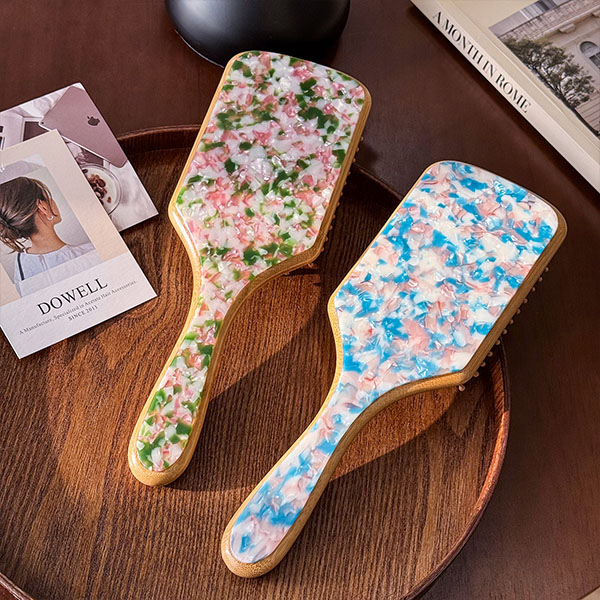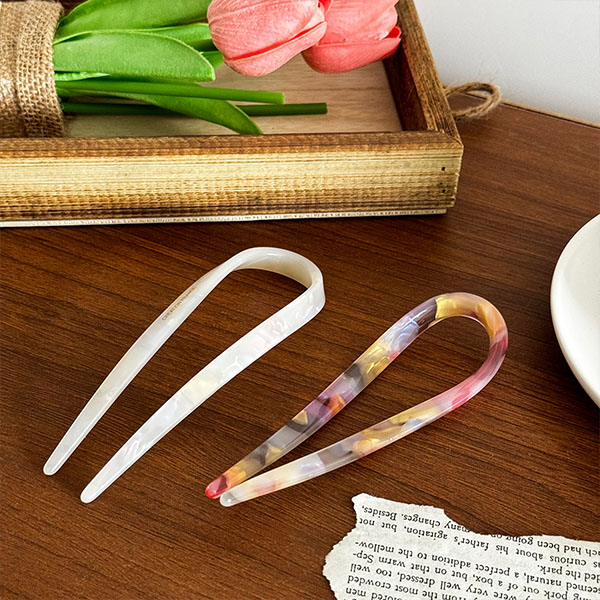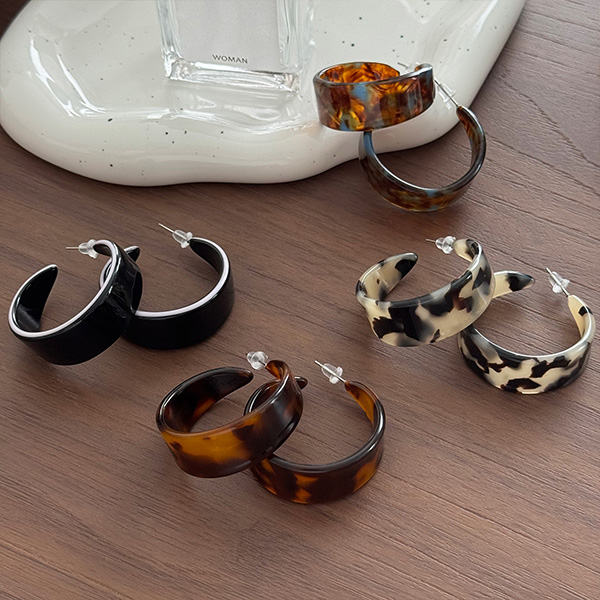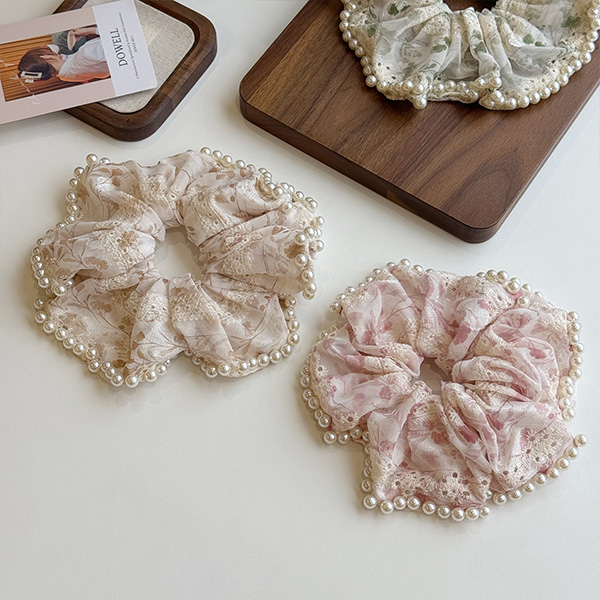

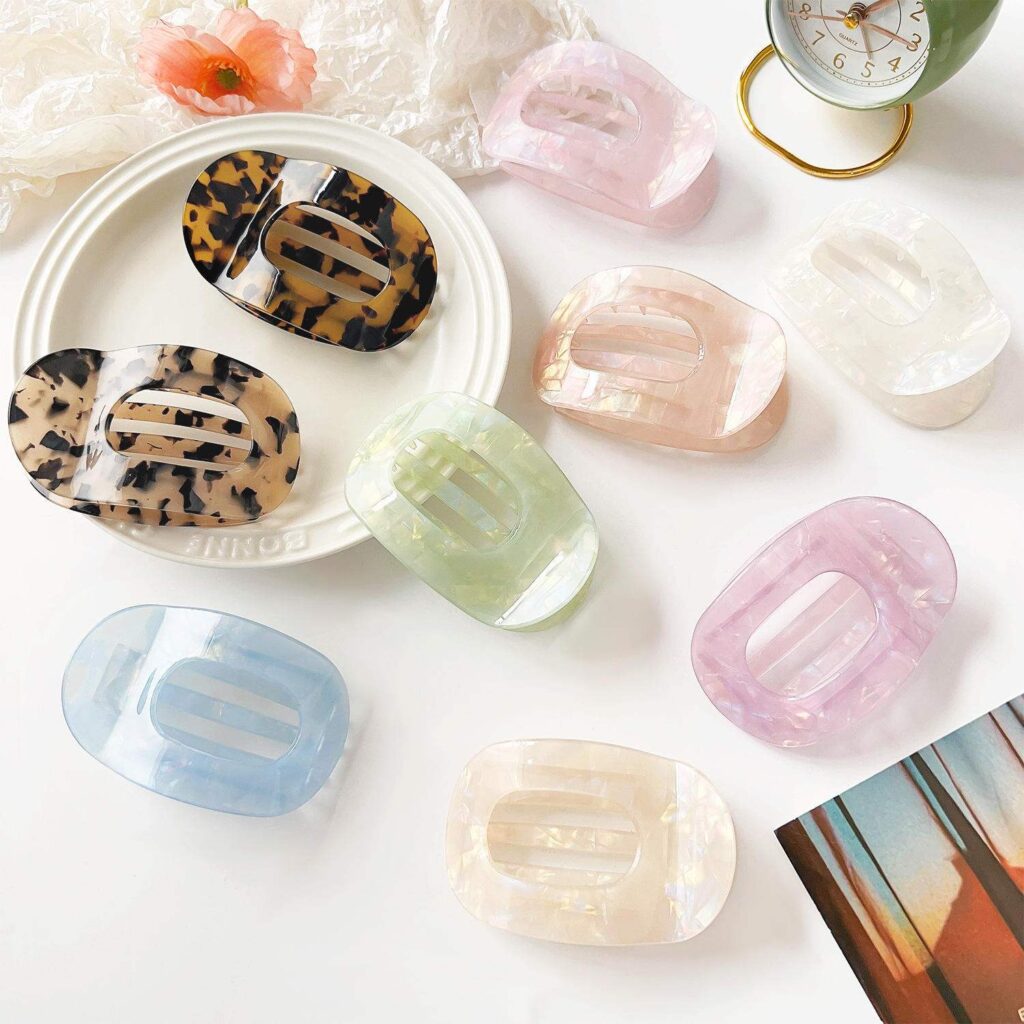
A private label acetate hair clip collection succeeds when the range has a clear customer, a coherent visual language, reliable spring action, and a production plan that can repeat the approved look. Buyers should decide the hero shapes, size range, acetate pattern, hardware, logo method, packaging, and order quantity before starting the factory discussion. Dowell develops acetate and acrylic hair accessories, with its own factory, design support, sampling, and production for bulk and small-batch orders.
Start with a Collection Architecture
Collection Architecture
A retail collection should not be a random group of attractive clips. Start with the customer and the use cases: everyday commuting, office styling, thick hair, short hair, travel, gifting, or occasion dressing. Then divide the range into hero products, supporting colours, smaller add-on items, and seasonal designs. This makes the collection easier to merchandise and gives the factory a clear development brief.
A useful first range may combine a large claw clip, a medium everyday clip, a side clip, a banana clip, and a small accessory. The exact mix depends on the channel. A boutique may favour strong visual pieces, while a high-volume retailer may need easy-to-repeat shapes with controlled material usage and packaging cost.
Choose Acetate Around Feel and Visual Identity
Acetate Feel and Visual Identity
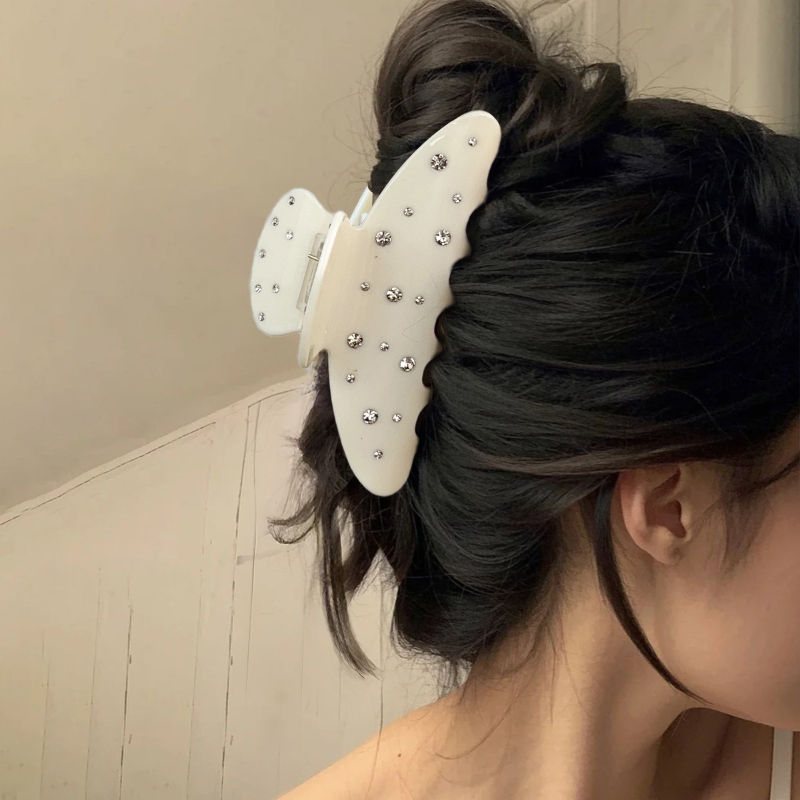
Cellulose acetate is a plant-based polymer made from natural cellulose sources. In hair accessories it is valued for its colour depth, polished surface, comfortable feel, and ability to support marbled, tortoiseshell, translucent, and layered effects. It also has natural anti-static characteristics that can help the clip feel more comfortable in use.
Material selection should include sheet colour, thickness, pattern direction, transparency, edge appearance, and consistency between production lots. A colour that looks correct on a small sheet may change when the clip is cut from another part of the pattern. Approve physical colour samples and define acceptable variation before mass production.
Engineer the Shape for Real Hair and Real Hands
Shape and Ergonomics
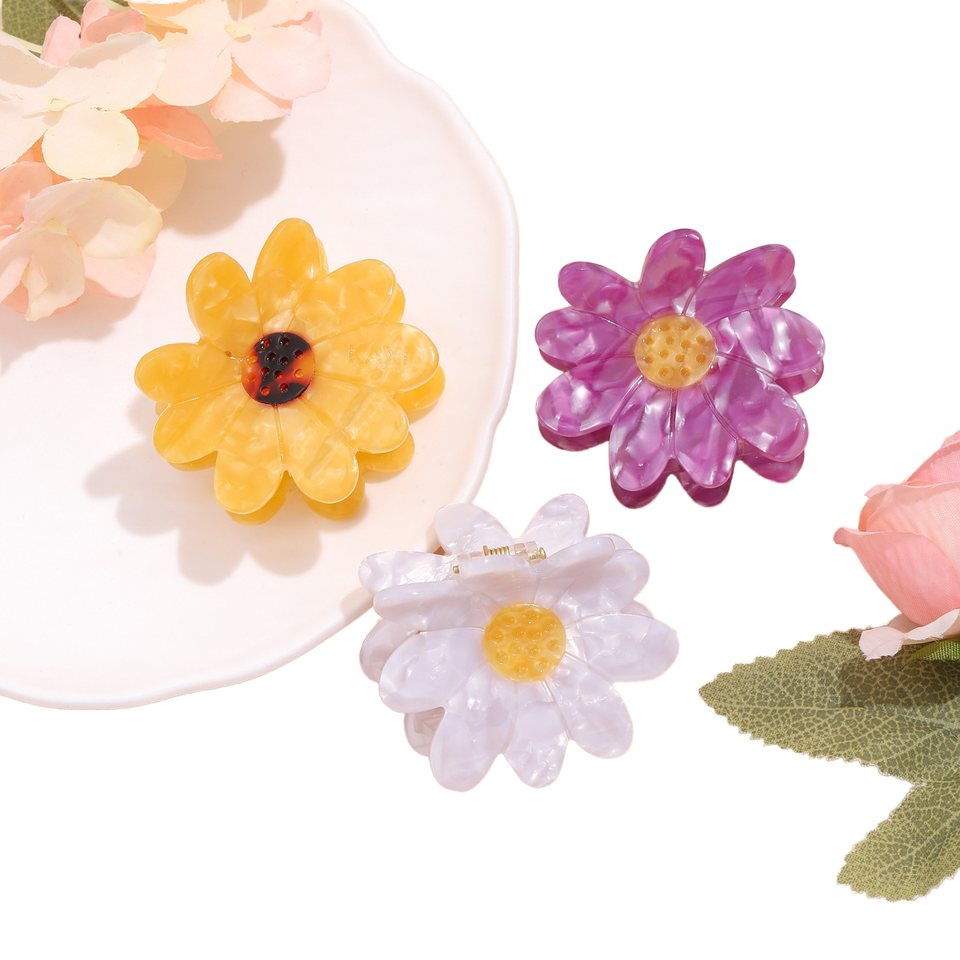
The outer silhouette attracts the shopper, but the inner curve, teeth, spring, hinge, and contact points decide whether the clip works. Review the opening angle, grip strength, tooth spacing, head pressure, and how the clip behaves on fine, thick, curly, or slippery hair. A beautiful shape that slips or pinches will create returns and poor reviews.
Dowell’s production process includes shaping, spring installation, hand assembly, and product inspection. Buyers should use these stages during development. Ask for a sample on a real hairstyle or mannequin, check the clip repeatedly, and record any changes to the teeth, hinge, spring, or base clip before approving the final sample.
Select Hardware and Decorative Details
Hardware and Decoration
A private label clip may use a plastic base clip, an alloy base clip, a spring, a metal logo plate, rhinestones, pearls, or other decorative parts. Hardware affects weight, grip, corrosion resistance, cost, and the impression of quality. It should be selected together with the acetate thickness and the intended retail position.
Decoration also changes production control. Dowell describes sheet splicing, hollow-out patterns, 3D relief, multi-colour hand painting, groove painting, layered engraving, double-layer bonding, rhinestone or pearl inlay, and several logo processes. Each added step should have a clear drawing or sample reference so the factory can inspect position, colour, bonding, and surface quality.
Build the Sampling and Approval Sequence
Sampling and Approval
The development sequence should move from a design idea or reference image to a product BOM, engraving or logo file, prototype, pre-production sample, and approved production sample. Confirm the clip dimensions, material, hardware, decoration, logo, colour, packaging, and target quantity at each stage. A written change record prevents a late visual adjustment from being missed.
Private label buyers should also separate design approval from functional approval. First confirm that the shape fits the brand. Then test opening force, grip, comfort, spring return, edge smoothness, assembly strength, and decoration retention. This two-part review is faster and more reliable than judging the clip only from a product photograph.
Check Manufacturing Capacity and Flexibility
Capacity and Flexibility
Dowell describes an in-house factory, a production area measured in thousands of square metres, and daily output above 30,000 pieces. We support bulk orders, small batches, samples, and pre-production samples. These capabilities can be useful for a brand that wants to test a collection before committing to a large seasonal order.
Define Quality Control and Packaging
Quality and Packaging
Quality inspection should cover dimensions, spring installation, opening force, tooth alignment, burrs, edge polish, surface scratches, colour, pattern placement, logo position, bonding, paint, and decoration. Functional checks should be performed on representative samples, while critical appearance defects should be classified before production.
Packaging must protect polished acetate and decorative parts from scratches, impact, and movement. Confirm individual bags or sleeves, backing cards, barcode labels, carton quantity, and carton protection. If the clip is sold as a set, the package should keep the pieces aligned and make the collection easy for the retailer to display.
Conclusion
Developing a private label acetate hair clip collection requires more than choosing a fashionable shape. Plan the range, material, functional geometry, hardware, decoration, sample sequence, inspection, packaging, and repeat-order controls together. Dowell can support brands that need acetate hair clips and related accessories developed from an idea through approved production.
Contact Dowell to discuss your design requirements, request samples, and begin developing your private label collection.
FAQ
Q: What should be included in an acetate hair clip brief?
A: Include the clip type, dimensions, reference image or drawing, acetate thickness and colour, hardware, spring, logo, decoration, packaging, quantity, target market, and delivery date. State whether you need a prototype, pre-production sample, or small-batch trial before mass production.
Q: Is cellulose acetate suitable for private label hair accessories?
A: It can be a strong fit when the brand wants rich colour, polished edges, a premium hand feel, and distinctive patterns. Review the actual sheet, finish, thickness, and functional performance. Material alone does not guarantee quality; shaping, spring installation, polishing, and inspection also matter.
Q: How should a buyer test a claw clip sample?
A: Test it on the intended hair types and hairstyles. Check opening force, grip, comfort, spring return, tooth alignment, edge smoothness, hinge movement, and repeated use. Also inspect colour, pattern, logo, decoration, and packaging so the approved sample represents the complete retail product.
Q: Can a factory support a small first order?
A: Some manufacturers support small batches as well as bulk production. Confirm the minimum order, sampling cost, material availability, tooling or setup fees, colour-lot control, and repeat-order terms. A small trial is useful when the brand wants to validate sell-through before expanding the collection.