

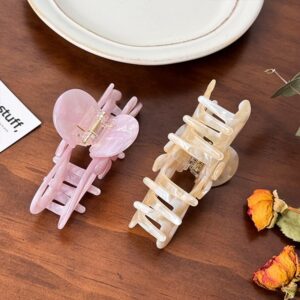
Right now, the hair accessory market is moving away from weak petroleum-based plastics. Professional buyers and regular shoppers want materials that last longer and feel better. Cheap plastic clips often break after only a few uses because they lose strength. In contrast, the cellulose acetate hair clip has become the top choice for strength and rich appearance. Brands make this switch because of the way the material is built and because makers like Dowell follow careful production steps. Knowing these details helps companies give customers accessories that keep their value over time.
What Exactly is A Cellulose Acetate Hair Clip?
For one to appreciate the uniqueness of such material, it is important to consider its source. It is made of wood pulp or cotton linters as opposed to oil. The natural origin of the material makes the clip comfortable to touch.
The Science: Plant-Based vs. Petroleum-Based Plastics
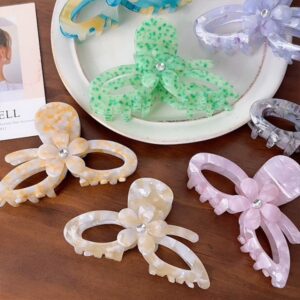
A good acetate hair clip usually contains about seventy percent cellulose acetate. Makers create it by treating wood or cotton with glacial acetic acid under heat and pressure. The other thirty percent includes diethyl phthalate along with colorants and small amounts of other ingredients. These extra parts improve strength. Because the main part comes from plants, the clip stays non-toxic and friendly to skin. People notice fewer reactions compared with lower-grade synthetic resins.
Environmental Impact and Sustainability
More buyers now ask for accessories that fit with green goals. Cellulose acetate fits this need because it can break down under the right conditions. Dowell, an acetate hair clip manufacturer, holds the Global Recycled Standard certificate. This certificate shows the sheets can be collected, sorted, and turned into new material. The closed-loop method lines up with worldwide rules on waste and reuse.
Why Choose an Acetate Claw Clip over Traditional Plastic?
The choice between an acetate claw clip and a low-cost plastic version usually comes down to how the material behaves. Plastic feels stiff and can snap. Acetate keeps its shape and gives the clip a longer life.
Unbeatable Durability: Why it doesn’t snap like cheap plastic
Acetate bends without breaking. It holds up when dropped and does not lose form the way ordinary plastic does. When gently warmed, the shape can be adjusted slightly. This quality keeps the clip working even after daily use. Brands that want lasting items choose acetate instead of single-use plastics.
Aesthetics & Texture: Why every piece is a unique work of art
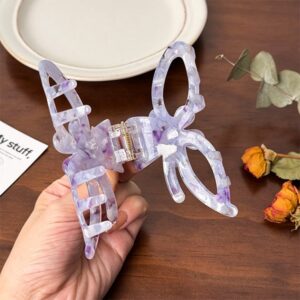
The look of acetate stands out. High clarity and shine let makers create rich tortoiseshell and marble effects. In the Dowell niche design floral bow rhinestone-embellished shark clip (Model F1341), the acetate board produces soft color shifts and a light-catching surface. Each clip ends up slightly different because the sheet itself varies. This natural difference turns every piece into its own small artwork.
Health and Comfort for Professional Users
Acetate does not build up static. The hair remains smooth and is not yanked or entangled. For those who have a sensitive scalp or hair that has been dyed or styled, the substance offers comfort to the wearer. It feels warm on the skin, unlike the cool sensation provided by petroleum-based plastics.
How is a High-quality Acetate Hair Clip Manufactured?
Making these clips takes skilled hands rather than full automation. The hand-finished steps are what set premium items apart.
The Craftsmanship: From raw sheet to hand-polished masterpiece
Production starts with acetate sheets that measure twenty centimeters by fifty centimeters. Skilled workers cut the basic shapes on precision machines. After cutting, each piece is sorted, bent, and joined by hand. Polishing comes next. Workers check the surface until it reaches a smooth, bright finish. Every stage includes checks for quality, so the final acetate hair clip meets strict standards.
Precision Engineering in Design
Designs often mix hand work with useful updates. The Dowell Korean Style Simple Cloud-Shaped Acetate Hair Clip (Model 2309) has a high-gloss surface that resists small scratches. The teeth carry a light coating that helps the clip grip without slipping. This steady hold works well on medium to thick hair and keeps the clip in place through a full day.
Finding the Right Acetate Hair Clip Manufacturer for Your Business
Companies that want a steady partner look first at factory skills and proof of quality. A capable acetate hair clip manufacturer can scale output while keeping standards high.
Quality Control Standards at Dowell
Dowell started in 2011 and has spent more than ten years on acetate hair accessories. The company runs a 4,400 square meter plant with over one hundred staff. Daily output reaches 30,000 pieces. Quality checks follow the AQL 2.5 rule and cover every step from raw sheets to packed goods. Tests include spring fatigue and metal rust resistance so each acetate claw clip lasts through regular wear.
Flexible Solutions: Low MOQs and OEM/ODM services
Inventory risk worries many wholesalers. Dowell keeps the entry point low with a minimum order of 120 pieces per style. Small brands can test new items without high upfront costs. The design team turns samples around in three to seven days. This speed helps brands keep pace with changing trends.
Conclusion
Choosing strong acetate accessories makes sense for both shoppers and stores. Plastic clips may cost less at first, but acetate offers better flex, richer color, and a kinder feel on skin. One well-made acetate clip can replace many plastic ones, cutting down on waste and giving users a nicer daily experience.
If you need a reliable partner to improve your accessory range, contact us for custom options.
FAQ
Q: Why is an acetate hair clip more expensive than a plastic one?
A: Price differences come from raw materials and the work involved. Acetate starts with plant-based sheets that cost more than basic plastic. Makers also spend time on cutting, shaping, and repeated polishing to reach the final gloss and strength.
Q: Can a cellulose acetate hair clip be customized for my brand?
A: Yes. Dowell provides full OEM and ODM support. Brands can pick sheet patterns, add logos through laser or stamping, and request new molds when needed.
Q: Is an acetate claw clip suitable for people with sensitive scalps?
A: Yes. Cellulose acetate rarely causes skin reactions. Its low static level keeps hair from catching, which helps people with fine or treated hair.
Q: How do I know if an acetate hair clip manufacturer is reliable?
A: Look for ISO 9001 and GRS certificates. Dowell also brings more than ten years of focus and steady daily output, showing it can support long-term orders.


